
Understanding Fertility: A Friendly Guide for Your Parenthood Journey
Hey friend,
Whether you’re in India (Delhi, Mumbai, Bangalore, or a small town) or living abroad in the US, UK, Canada, Australia, or anywhere else, understanding fertility is the first smart step toward planning a baby. Life is busy everywhere — career, marriage, responsibilities — but knowing the basics helps you make better choices.
I’m writing this like I’m explaining it to a close friend over chai or coffee. Simple language, no complicated medical jargon. Let’s dive in.
What is Fertility?
Fertility is your natural ability to have a baby. For a natural pregnancy to happen, these four things need to work smoothly:
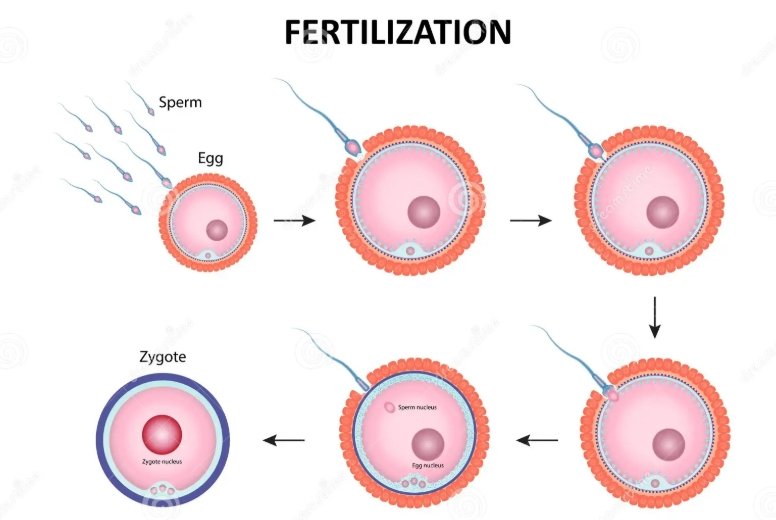
- The woman releases a healthy egg every month (Ovulation)
- The man produces healthy, active sperm
- Sperm reaches and fertilizes the egg
- The fertilized egg implants properly in the uterus
When all these steps happen well, pregnancy occurs naturally.
Key Factors That Affect Fertility
1. Age – The Most Important Factor
Women are born with a fixed number of eggs. As you get older, both the quantity and quality of eggs decline. Male fertility also decreases with age, but more slowly.
.webp)
- In India: Many people plan their first baby between 28–34 years due to career and marriage. This is very common in big cities.
- Abroad (US, UK, Europe, etc.): People often start trying after 32–38 years. That’s why egg freezing, IVF, and fertility treatments are more popular there.
Recommended Image 2: Place in the Age section – A clear line graph showing “Women’s Fertility by Age” (high in 20s, gradual decline after 30, sharper drop after 35).
2. Lifestyle Habits
Your daily habits matter a lot, no matter which country you live in:
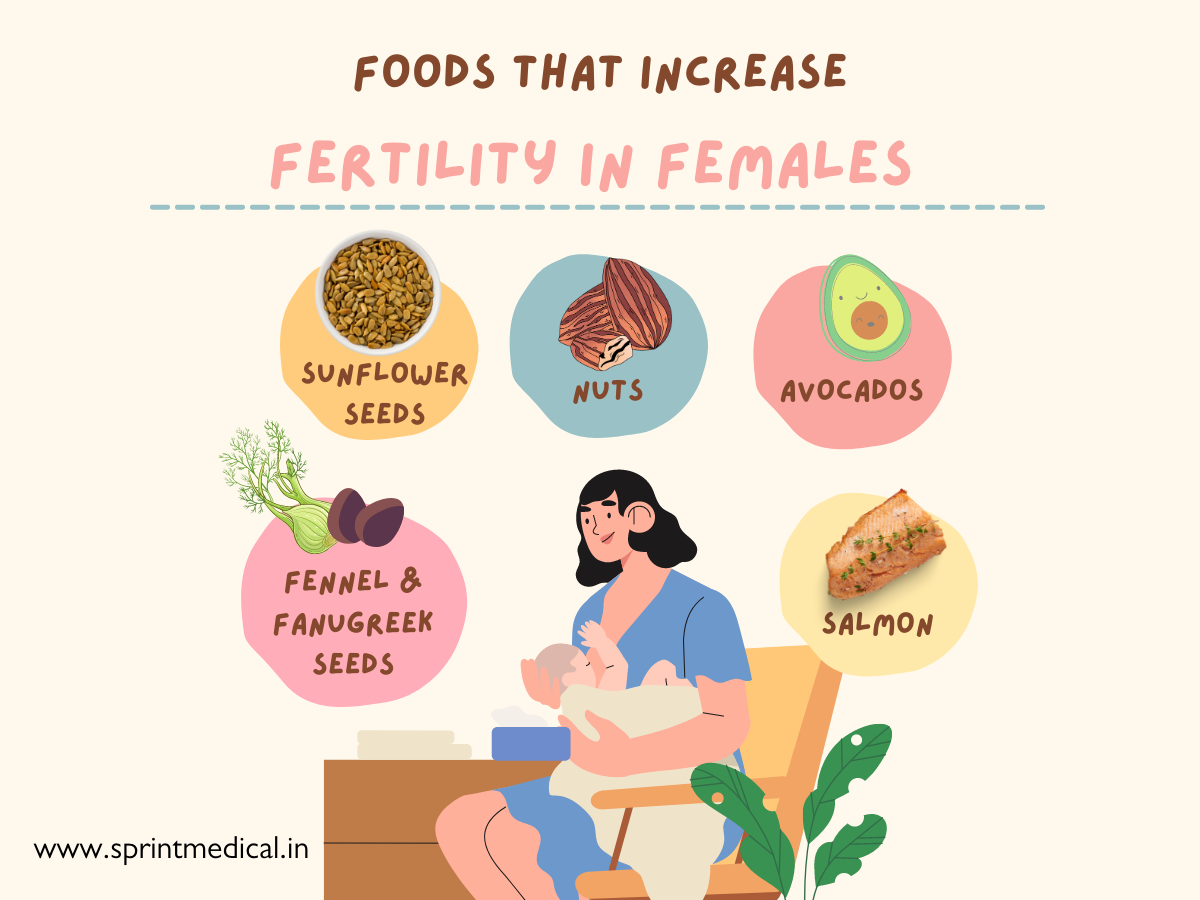
- Eat a balanced diet rich in fruits, vegetables, nuts, proteins, and whole grains
- Exercise regularly but moderately (walking, yoga, gym)
- Manage stress – job pressure in India or work-life balance stress abroad
- Sleep 7–8 hours every night
- Quit smoking, limit alcohol, and cut down junk food
India Special Note: Pollution in many cities can affect sperm and egg quality. Traditional foods like turmeric milk, nuts, and seeds can help when part of a balanced diet.
Abroad Special Note: Fast food culture, obesity, and long indoor hours (leading to Vitamin D deficiency) are common challenges.
Recommended Image 3: Place after Lifestyle section – A bright collage showing healthy Indian + Western meals, exercise/yoga, good sleep, and stress-free activities.
3. Hormonal and Health Conditions
Common issues that can affect fertility:

- PCOS (very common in Indian women)
- Thyroid problems
- Irregular periods
- Obesity or being underweight
- Diabetes or endometriosis
If you have any of these, it’s better to get checked early.
Recommended Image 4: Place here – Simple infographic listing “Common Fertility Challenges” with small icons (PCOS, Thyroid, Low Sperm Count, etc.).
When Should You See a Doctor?

- If you are under 35 and have been trying for 12 months without success
- If you are over 35, see a doctor after 6 months of trying
- See a specialist sooner if you have irregular periods, PCOS, thyroid issues, or known health problems
In India: You can start with basic tests at good private clinics or even government hospitals. Semen analysis, AMH blood test, and ultrasound are usually the first steps.
Abroad: Many countries have insurance coverage or public fertility clinics. Guidelines are often similar, but waiting times can vary.
Recommended Image 5 (Optional): A clean timeline infographic – “When to Consult a Fertility Doctor” for under 35 and over 35.
Final Friendly Tips
- Track your ovulation using apps like Flo, Clue, or Ovia
- Women planning pregnancy should take Folic acid (400–800 mcg daily)
- Both partners should maintain a healthy weight
- Don’t believe every myth you hear – fertility issues can be from male or female side, and many couples need a little extra time or help
Whether you are in India or any foreign country, the core rules of fertility remain the same: good health, right timing, and seeking help when needed.
Don’t stress too much. Many couples conceive naturally, and many others get successful help from doctors. The most important thing is to start with awareness and a healthy lifestyle.
If you have any questions or want more specific tips, feel free to comment or reach out. I’m here to help!
Wishing you a smooth and happy journey to parenthood. ❤️